

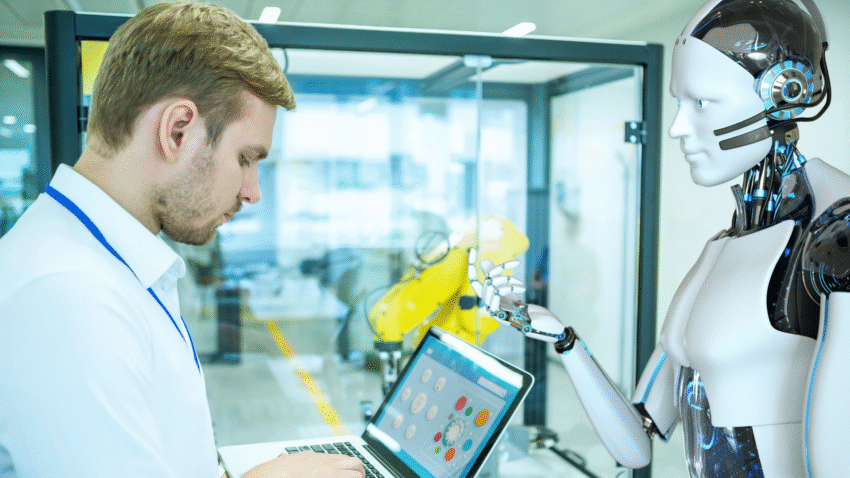
The landscape of robotics is evolving rapidly, shaping how individuals interact with technology in their daily lives. Robotics will soon integrate seamlessly into homes, workplaces, and public spaces, enhancing convenience and efficiency. As advancements in AI and machine learning continue, robots will not only perform repetitive tasks but also assist in more complex activities, offering personalised services tailored to individual needs.
From household chores to healthcare support, the potential applications of robotics are vast. Smart home devices will manage daily routines, while robotic assistants could provide companionship and care for the elderly or disabled. The impact of these innovations will redefine traditional roles and responsibilities, fostering a reliance on technology for both mundane and specialised tasks.
As the future unfolds, society will need to adapt to these changes, embracing the opportunities and challenges presented by increased automation. This transformation promises to enhance quality of life, streamline workloads, and create new avenues for interaction between humans and machines.
How Robotics Is Shaping Everyday Life
Robotics is increasingly integrated into daily routines, enhancing convenience and efficiency. Key applications include smart home devices and personal robotics, which are transforming how individuals manage chores and interact with technology.
Home Automation and Household Chores
Home automation systems utilise robotics to streamline household tasks. Devices like the Roomba have revolutionised floor cleaning by autonomously navigating spaces and tackling dirt. These robotic vacuums use sensors and artificial intelligence to map homes, ensuring thorough cleaning without direct human intervention.
Smart appliances, such as connected washing machines and dishwashers, can be programmed and monitored remotely via mobile phones. This connectivity allows users to control their households more efficiently, such as starting a laundry cycle from work. Integration with voice-activated assistants further enhances user experience, enabling hands-free operation of various devices.
Personal Robotics and Mobile Technology
Humanoid robots and personal assistants are becoming commonplace, enhancing daily activities and interactions. These robots, equipped with advanced AI, can perform various tasks—from providing companionship to assisting with learning and information retrieval.
Mobile technology plays a vital role in this evolution. Many personal robots connect to smartphones, allowing users to customise settings and receive updates on performance. This kind of human-robot collaboration fosters a seamless integration of technology into everyday life, making it more interactive and personalised.
As technology continues to evolve, personal robotics will likely become more multifunctional, adapting to the needs of users in increasingly complex ways.
Emerging Applications of Robotics
The integration of robotics into various sectors is rapidly evolving, with profound implications for daily life. Notable applications are emerging in healthcare, education, and agriculture, each presenting unique advantages and technological advancements.
Healthcare and Assisted Living
In healthcare, robotics plays a pivotal role in enhancing patient care and operational efficiency. Surgical robots, such as the da Vinci system, enable minimally invasive procedures, reducing recovery times significantly. Collaborative robots, or cobots, assist medical staff by handling tasks like medication dispensing or patient monitoring, allowing healthcare providers to focus more on direct patient interaction.
Soft robotics is increasingly utilised in rehabilitation, providing tailored support to patients recovering from injuries. Autonomous systems are also being integrated into eldercare, offering companionship and assistance with daily tasks, thus improving the quality of life for seniors. Machine learning algorithms enhance these robots’ capabilities, enabling them to adapt to individual patient needs.
Education and Learning Environments
Robotics is revolutionising educational settings, providing interactive and engaging learning experiences. Robots in classrooms facilitate hands-on learning, helping students grasp complex concepts in subjects like science, technology, engineering, and mathematics (STEM). They encourage collaboration among students, fostering teamwork and problem-solving skills.
Moreover, robotics helps educators customise learning experiences to meet diverse student needs. Through the use of AI, robots can assess individual learning styles, offering personalised assistance and resources. This adaptiveness enhances student engagement and retention of information, crucial for academic success.
Agriculture and Food Production
In agriculture, robotics enhances productivity and sustainability. Autonomous systems, such as self-driving tractors and drones, optimise planting, harvesting, and monitoring crop health. These technologies reduce labour costs and improve efficiency, allowing farmers to manage larger areas more effectively.
Soft robotics is applied in delicate tasks, like fruit picking, where gentle handling prevents damage. Machine learning algorithms help analyse vast amounts of data from sensors and satellites, enabling precision farming. This data-driven approach leads to better resource management, ultimately enhancing food security and reducing environmental impact.
The future of robotics in these fields holds significant promise for enhancing the quality of life and productivity.
Robotics in Industry and Transportation
Robotics plays a crucial role in enhancing productivity and efficiency across various sectors, particularly in industry and transportation. The integration of collaborative robots and autonomous vehicles is shaping the way businesses operate and how goods move.
Industrial Robotics and Manufacturing
Industrial robotics has transformed the manufacturing landscape. Robotic arms are increasingly utilised for tasks such as welding, painting, and assembly. These machines can operate at higher speeds and with greater precision than human workers.
Key benefits include:
- Increased Productivity: Robots can work continuously without breaks.
- Enhanced Quality: Consistency in production reduces errors.
Collaborative robots, or cobots, are designed to work alongside human workers. They assist in tasks that require dexterity and adaptability, supporting a safer work environment while minimising job displacement. This combination enhances productivity while maintaining employment levels. Manufacturers often partner with experts like the Olympus Technologies team to integrate collaborative robotics that enhance both safety and efficiency on the production floor.
Autonomous Vehicles and Transportation
Autonomous vehicles represent a significant advancement in transportation. These vehicles leverage artificial intelligence to navigate roads without human intervention. This technology holds promise for reducing accidents and traffic congestion.
Benefits of autonomous vehicles include:
- Increased Safety: Advanced sensors and algorithms can prevent collisions.
- Efficiency in Logistics: Drones and delivery robots streamline the supply chain.
Despite advancements, concerns about job displacement within the transportation sector remain. As automation progresses, existing employment roles may evolve or diminish, necessitating strategies for workforce adaptation. The continued development of robotics in transportation underscores the importance of balancing technological progress with societal needs.
Societal Impact and Ethical Considerations
The integration of robotics into daily life presents significant societal impacts and ethical dilemmas. Key issues include employment dynamics, the need for regulation, and the potential misuse of technology.
Employment and Job Displacement
Robotics, powered by artificial intelligence, can enhance productivity but may also lead to significant job displacement. Routine tasks in industries such as manufacturing, retail, and logistics are increasingly automated. Positions that require minimal training are particularly vulnerable.
The shift towards automated systems necessitates a workforce transition. Upskilling and reskilling initiatives are essential to prepare employees for new roles that machines cannot perform. Stakeholders, including governments and companies, must focus on creating strategies to manage these changes to ensure a smooth transition.
Legal and Regulatory Challenges
The rapid evolution of robotics raises complex legal and regulatory questions. Current laws may not adequately address the implications of autonomous systems. Issues such as liability in accidents involving robots or AI technologies remain largely unregulated.
Governments must establish comprehensive frameworks to govern robotics deployment. This includes assessing safety standards, data privacy, and accountability measures. A balanced regulatory approach can mitigate risks while fostering innovation in technology.
Ethical Issues and Potential Misuse
Ethical considerations regarding robotics focus on the potential for misuse. For instance, AI-powered surveillance robots could infringe on individual privacy rights. The moral implications of robots in decision-making roles highlight the need for ethical guidelines.
Moreover, there is concern about the biases in AI systems, which can lead to discrimination in various sectors. It is crucial for developers to consider these aspects during the design and implementation phases. Public dialogue on ethics can help shape the direction of robotic technologies, ensuring they benefit society responsibly.