
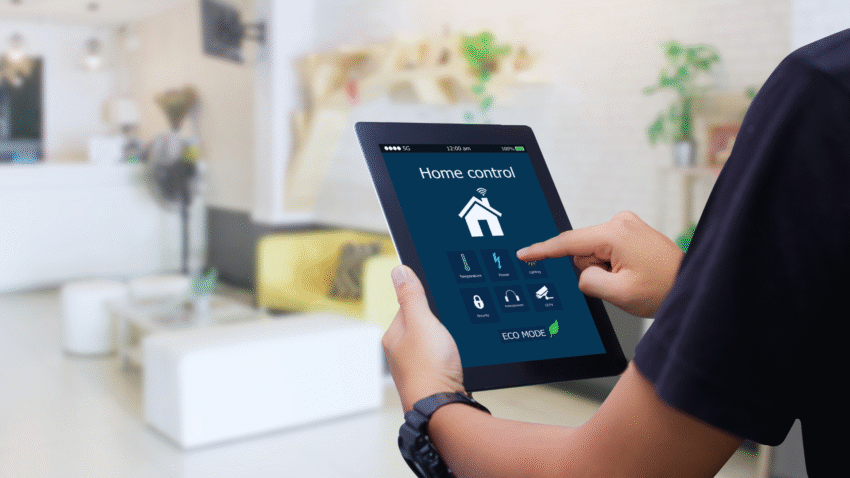
Smart homes are increasingly designed to optimise energy use, reducing waste and lowering household bills. Through automated systems and smart devices, they adjust heating, lighting, and appliance use based on occupancy and external conditions. This integration of technology results in significant improvements in energy efficiency without sacrificing comfort.
Devices such as smart thermostats learn individual routines to maintain ideal temperatures only when needed. Similarly, smart lighting adapts to natural light levels and presence detection, ensuring energy is not squandered. These technologies work together to create a responsive environment that actively conserves energy.
Beyond individual homes, smart grids and connected appliances allow for better monitoring and management of energy consumption. Homeowners gain precise insight and control, enabling informed decisions that promote sustainability. This shift towards intelligent energy use marks a clear step forward in smart home innovation.
Core Technologies Enabling Energy Efficiency in Smart Homes
Smart home technologies combine precise control, real-time data, and automation to reduce energy consumption. They integrate seamlessly with connected devices to optimise heating, lighting, and appliance usage.
Smart Thermostats and Heating Controls
Smart thermostats use sensors and algorithms to adjust heating settings based on occupancy and weather forecasts. They learn user routines to lower heating when the house is empty or occupants are asleep, reducing unnecessary energy use.
Many smart thermostats connect to central heating systems and can be controlled remotely via smartphone apps. This connectivity allows users to monitor and manage heating efficiently from anywhere.
Advanced models also integrate with other smart home devices, enabling coordinated energy-saving strategies. For example, lowering the heating when smart plugs detect no activity in a room.
Smart Lighting and Occupancy Sensors
Smart lighting systems use LED bulbs combined with occupancy sensors to manage light usage precisely. Lights turn on only when rooms are occupied and switch off automatically when no movement is detected, saving energy.
These systems can adjust brightness and colour temperature based on natural light levels, further cutting electricity consumption. Smart lighting also supports schedules or voice commands via smart assistants.
Integrating smart lighting with other IoT devices allows for energy savings throughout the home. For instance, lights can dim or switch off during smart thermostat setbacks, maintaining comfort while conserving power.
Energy Monitoring and Management Systems
Energy monitoring systems collect real-time data from smart home devices and appliances, displaying consumption patterns to users. This information helps identify energy-intensive devices and adopt efficient usage habits.
Many systems offer dashboards and alerts accessible on smartphones or tablets. They can also automate consumption by controlling devices like smart plugs, turning off gadgets when not in use.
Combined with smart meters, these systems provide detailed insights into overall home energy use. Users benefit from actionable data to reduce bills and optimise appliances’ operation times for off-peak electricity.
Smart Appliances and Connected Devices
Energy-efficient appliances integrated with smart home technology share usage data and allow remote control to reduce power consumption. Smart appliances adjust cycles based on real-time demand, such as washing machines running on low-energy modes at night.
Smart plugs extend this control to non-smart devices, cutting power completely when gadgets are idle. This prevents phantom loads, which contribute to unnecessary energy waste.
Connected devices communicate through IoT protocols to create an energy-conscious environment. They coordinate to avoid simultaneous high-energy usage, smoothing overall demand and improving efficiency.
Automation, AI, and Data-Driven Energy Optimisation
Smart homes leverage sophisticated systems to manage energy use more efficiently. This involves automation, AI-driven learning, and detailed data analytics to reduce wastage and match consumption with actual needs.
Home Automation and Scheduling
Automation in smart homes allows devices to operate on predefined schedules or in response to environmental changes, improving energy efficiency. For example, smart thermostats adjust heating and cooling based on occupancy patterns, reducing energy use when rooms are empty.
Home automation systems integrate lighting, HVAC, and appliances to create coordinated energy-saving routines. This minimises unnecessary operation by turning off or dimming devices during low-usage periods. The use of multi-agent systems allows various components to communicate and optimise energy use collectively.
Scheduling also supports renewable energy usage by timing high-consumption tasks, such as running dishwashers or charging batteries, during peak solar or wind generation periods. This alignment reduces reliance on the grid and lowers energy costs.
Artificial Intelligence and Machine Learning
Artificial intelligence in smart homes enhances energy management through continuous learning of user habits and environmental trends. Machine learning algorithms analyse past energy consumption and adjust device behaviour dynamically.
AI adapts systems to seasonal changes and unexpected behaviour, refining energy use without manual input. For instance, it can predict when residents return home and precondition environments efficiently.
Machine learning also supports fault detection and maintenance alerts in home energy management systems, improving long-term efficiency and reliability. This reduces energy waste caused by malfunctioning equipment and inefficiencies.
Real-Time Data and Predictive Analysis
Real-time data from sensors and smart meters feed home energy management systems with instant insights on consumption and environmental conditions. This data enables immediate adjustments, such as dimming lights or altering heating based on occupancy or weather changes.
Predictive analysis uses this data to forecast energy demand patterns, allowing smarter scheduling and resource allocation. It can anticipate peak loads and adjust energy use to prevent waste, balancing supply and demand effectively.
Data analytics also identify trends for long-term improvements in smart home automation, helping homeowners prioritise upgrades that enhance energy efficiency. This proactive approach helps avoid unnecessary consumption and reduces energy bills.
Integrating Renewable Energy and Smart Grid Solutions
Smart homes increasingly rely on advanced technologies to optimise energy use and incorporate renewable energy sources. Integration with the wider grid and energy storage systems enhances efficiency and provides consumers with better control over their electricity consumption.
Solar Panels and Energy Storage
Solar panels convert sunlight directly into electricity, creating a local, renewable energy source for smart homes. Coupling solar panels with energy storage systems like home batteries allows excess energy to be saved during peak sunlight hours. This stored energy can power appliances when solar generation is low or during peak demand times.
Energy storage reduces reliance on the grid and lowers electricity costs. It also supports electric vehicles by enabling home charging with renewable energy. Smart systems monitor production and usage patterns, automatically shifting power between solar panels, batteries, and the grid for optimal efficiency.
Smart Meters and Dynamic Tariffs
Smart meters provide real-time data on electricity consumption, allowing households to monitor and control energy usage more precisely. They communicate directly with energy providers and the grid, enabling dynamic tariffs that reflect fluctuating electricity prices throughout the day.
Dynamic tariffs encourage consumers to shift usage to off-peak times, lowering costs and reducing strain on the energy grid. Smart meters also facilitate two-way energy flows, essential for prosumers who generate their own power through solar panels or other renewable sources, exporting surplus energy back to the grid.
Renewable Energy Integration and Microgrids
Microgrids are localised energy systems that can operate independently or alongside the main grid. They integrate various renewable energy sources such as wind turbines and solar panels, improving resilience and energy efficiency.
Smart grids coordinate energy distribution across microgrids, managing supply and demand dynamically. This allows for better integration of electric vehicles and other flexible loads, reducing grid congestion and enabling communities to become more self-sufficient while supporting renewable energy uptake.
Sustainability, Challenges and Future Developments
Smart homes contribute significantly to energy savings by optimising resource use and lowering emissions. However, concerns about privacy and security persist. Advances in technology and market growth continue to shape the future of energy-efficient homes.
Reducing Carbon Footprint and Environmental Impact
Smart home systems integrate energy-efficient devices such as programmable thermostats, LED lighting, and smart meters to reduce energy consumption. By automating heating, cooling, and lighting based on occupancy and external conditions, homes lower their carbon footprints.
Renewable energy integration, including solar panels paired with smart inverters, further reduces reliance on fossil fuels. These measures support environmental sustainability goals and help mitigate climate change by cutting greenhouse gas emissions.
Energy monitoring tools provide real-time feedback, enabling homeowners to adjust behaviours that waste energy. The result is measurable energy savings that also reduce utility expenses.
Privacy, Security and User Concerns
The expansion of smart home ecosystems raises privacy challenges as devices collect large volumes of personal data. Users often worry about data misuse or unauthorised access.
Cybersecurity is a critical issue. Vulnerabilities in smart devices can expose homes to hacking or surveillance, undermining user trust. Manufacturers must implement robust encryption and update protocols to protect data.
Transparency regarding data collection practices and user control over information enhances security. Addressing these concerns is essential to wider adoption and maintaining confidence in energy-efficient smart homes.
Emerging Technologies and Market Trends
Emerging technology like AI-driven energy management systems improves device coordination and efficiency across smart homes. Machine learning algorithms predict usage patterns to optimise energy savings dynamically.
The smart home market is expanding rapidly, driven by increasing awareness of environmental sustainability and demand for convenience. Integration with smart cities initiatives promotes coordinated energy use on a community scale.
Developments in battery storage, smart grids, and IoT connectivity enhance responsiveness and reliability. These trends indicate a shift towards more intelligent, energy-efficient homes that actively support climate change goals.