

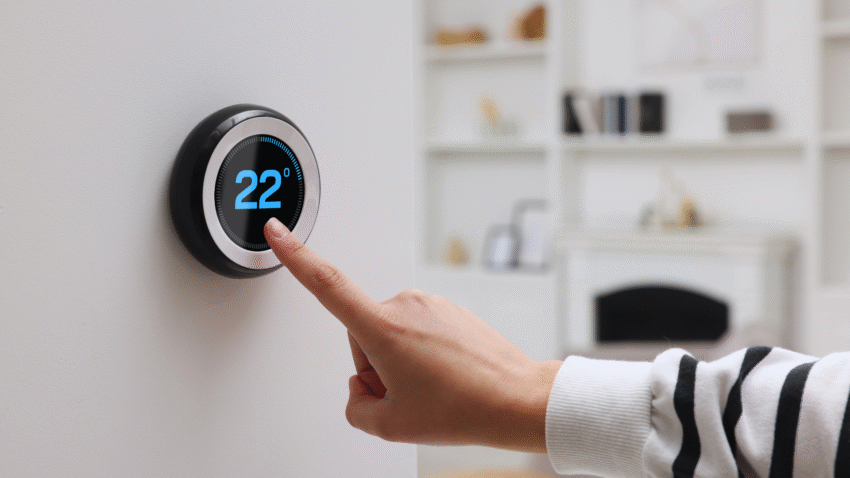
Smart thermostats have become an essential addition to modern households, offering energy efficiency, convenience, and improved comfort. They allow users to control home temperatures remotely, adapt heating and cooling patterns automatically, and often integrate with other smart home devices.
The best smart thermostats combine ease of use, compatibility with various heating systems, and intelligent features that save money on energy bills without sacrificing comfort. These devices provide real-time data and learning capabilities that adjust settings based on lifestyle and weather conditions.
Choosing the right smart thermostat depends on factors such as the home’s heating system, budget, and preferred smart home ecosystem. This guide will explore the top options available today, highlighting their strengths and suitability for different needs.
What Makes a Smart Thermostat Ideal for Modern Households
An ideal smart thermostat offers precise temperature control, integrates smoothly with existing smart home systems, and supports multiple user interfaces, including voice assistants. Energy savings and ease of use remain top priorities for most users, alongside seamless compatibility with diverse heating and cooling setups.
Core Functions and Advantages
Smart thermostats provide automatic temperature adjustments based on user routines and real-time data. Features like scheduling, geofencing, and adaptive learning optimise comfort and reduce energy consumption. Many models offer remote control via smartphone apps, allowing adjustments from anywhere.
Energy savings result from better system efficiency and avoiding unnecessary heating or cooling. Alerts for maintenance issues, such as filter changes or system faults, help maintain HVAC performance. Some units also track usage patterns, offering insights to further reduce energy costs and environmental impact.
Key Compatibility Considerations
Compatibility with a home’s HVAC system is crucial. Modern smart thermostats generally support common wiring configurations but may struggle with older or complex systems like multi-stage heating or heat pumps. Before purchase, check the thermostat’s compatibility list against existing equipment to ensure proper function.
Wi-Fi connectivity and hub requirements also matter. Some thermostats require a dedicated smart home hub like Samsung SmartThings, while others connect directly to Wi-Fi. Battery-powered options offer easier installation compared to wired versions that draw power continuously from the system.
Popular Voice Assistant Integrations
Support for voice commands enhances usability. The most common integrations include Amazon Alexa, Google Assistant via Google Home, and Apple HomeKit with Siri. These allow users to adjust temperature, set schedules, and check system status hands-free.
Integration with smart speakers broadens control options, enabling multi-room voice commands across different devices. Compatibility with multiple assistants offers flexibility for households using mixed ecosystems, ensuring smooth operation without switching between apps or devices.
Top Smart Thermostats for Modern Living
Modern smart thermostats combine energy savings, user-friendly controls, and seamless integration with smart home systems. They offer adaptive scheduling, remote access, and compatibility with other devices, helping households optimise comfort and efficiency.
Google Nest Learning Thermostat
The Google Nest Learning Thermostat, now in its 3rd generation, stands out for its learning ability. It observes household patterns to create an automatic heating and cooling schedule, reducing the need for manual adjustments.
It supports control via the Google Home app and voice assistants such as Google Assistant and Amazon Alexa. The device also includes features like Farsight, which lights up the display when it detects movement, showing temperature and weather.
Its wiring supports most HVAC systems, but compatibility should be checked before purchase. Energy reports give users monthly insights, helping identify savings. Installation is straightforward for those familiar with HVAC systems, and it supports integration with other Nest products.
Hive Thermostat and Hive Thermostat Mini
Hive offers two main smart thermostat options: the Hive Thermostat and the smaller Hive Thermostat Mini. Both allow remote control through the Hive app, enabling adjustments from anywhere.
The Hive Thermostat features geolocation, adjusting settings when the home is empty to save energy. It has manual controls and integrates well with Amazon Alexa and Google Assistant, supporting voice commands.
The Hive Thermostat Mini is a budget-friendly alternative, offering similar remote controlling and scheduling but lacks the full display of the standard model. Both work best within a Hive ecosystem, pairing with smart radiator thermostats to control individual room temperatures for further efficiency.
Ecobee Smart Thermostat
Ecobee’s Smart Thermostat focuses on comfort and energy savings with its unique sensor system. It uses remote room sensors to detect occupancy and temperature variations, reducing hot or cold spots in the home.
It supports Apple HomeKit, Amazon Alexa, Google Assistant, and SmartThings, offering broad compatibility. The built-in Alexa speaker allows voice control without needing a separate device.
The Ecobee also includes detailed energy reports and weather forecasts. Installation is a bit more complex but comes with comprehensive guides. Its integration with smart radiator thermostats enhances per-room temperature management, making it suitable for larger homes.
tado° Wireless Smart Thermostat
The tado° Wireless Smart Thermostat provides flexible installation without wiring and is controlled entirely through its app. It focuses on geo-aware climate control, adjusting heating when the last person leaves the house.
It is compatible with most heating systems and supports Apple HomeKit, Amazon Alexa, and Google Assistant. The system can be expanded with tado° Smart Radiator Thermostats to regulate individual rooms.
Energy reports and smart scheduling help reduce waste. The wireless design suits homes where wired installation is difficult or not desired. It also offers open window detection, pausing heating when a window is left open.
Essential Features for Enhanced Comfort and Efficiency
Smart thermostats combine technology and convenience to optimise home heating and cooling. Key features centre on targeted control, efficiency, and intelligent response to changing conditions.
Geofencing Technology and Geolocation
Geofencing technology uses geolocation data from smartphones to detect when occupants leave or approach the home. This feature enables the thermostat to automatically adjust temperatures, typically lowering heating when the house is empty and restoring comfort shortly before arrival.
It reduces wasted energy by ensuring the system runs only when needed. Wireless smart thermostats often integrate this technology without requiring manual input, relying on GPS or network triangulation for proximity detection.
Users benefit from personalised climate control without compromising convenience. Effective geofencing requires reliable smartphone connectivity and accurate location permissions.
Heating Schedules and Automation
Heating schedules allow precise programming of temperature settings according to daily or weekly routines. Automation further refines this by learning occupant habits, adjusting settings dynamically without constant user intervention.
Schedules can accommodate work hours, sleep patterns, or seasonal changes, improving energy efficiency. Some smart thermostats offer adaptive learning algorithms that optimise heating based on past behaviour.
This feature ensures warmth only when desired, lowering costs and environmental impact. Settings usually remain adjustable via apps or direct thermostat control.
Open Window Detection
Open window detection monitors sudden temperature drops or airflow changes, signalling that a window or door may be open. When detected, the thermostat pauses the heating system to prevent energy waste from heating outdoor air.
This function prolongs energy savings by avoiding unnecessary operation during ventilation. Sensors or external contact detectors typically support this feature within wireless smart thermostat systems.
Alerts may be sent to users’ devices, prompting them to close openings to restore efficient operation. Effective open window detection relies on sensitivity in detecting environmental changes without frequent false alarms.
Remote and Multi-Zone Control
Remote control enables users to adjust thermostat settings from any location via smartphone apps or web portals. This flexibility contributes to comfort and responsiveness, especially when plans change unexpectedly.
Multi-zone control is essential for larger homes with distinct heating or cooling needs in separate areas. It allows independent temperature management in rooms or zones, preventing energy waste and uneven comfort.
Wireless smart thermostats often support both remote and multi-zone features through compatible sensors and network connectivity. Users can configure zones to match household routines, improving overall system performance and user satisfaction.
Installation, Integration and Regional Considerations
Installing a smart thermostat involves decisions about DIY or professional help. Compatibility with heating systems varies by region, as do smart home platforms. Integration with devices like Amazon Echo Dot enhances usability but requires checking system support.
DIY versus Professional Installation
Many smart thermostats support DIY installation with clear instructions and wiring guides. Users familiar with basic electrical work can typically install models such as the Google Nest or ecobee themselves. Safety precautions and power shutdown before installation are critical to avoid damage.
Professional installation is often recommended for homes with complex heating systems, including boilers used in the UK and Canada. Professionals ensure proper wiring, compatibility, and system calibration, reducing the risk of malfunction. Some manufacturers offer installation services or approved installers to guarantee support and warranty validity.
System Compatibility Across Regions
Smart thermostats must match the local heating or cooling system. In Canada and the UK, gas boilers are common, while electric or hybrid systems might dominate elsewhere. Thermostats must support these differences, including voltage and wiring standards.
Additionally, regional regulations may affect device settings, such as temperature ranges and energy-saving modes. Buyers should verify compatibility with local infrastructure and power specifications before purchase. Compatibility lists provided by manufacturers help clarify these points.
Smart Home Ecosystem Integration
Integration capabilities with platforms like Amazon Echo Dot, Google Assistant, and Apple HomeKit enhance convenience. Thermostats compatible with Amazon Echo Dot allow voice control for temperature adjustments and routine automation.
Compatibility varies between brands, so users should prioritise devices that work within their existing smart home ecosystem. APIs and app features also differ and can impact the ease of remote control and scheduling. Checking supported devices and software updates ensures smooth interoperability.