

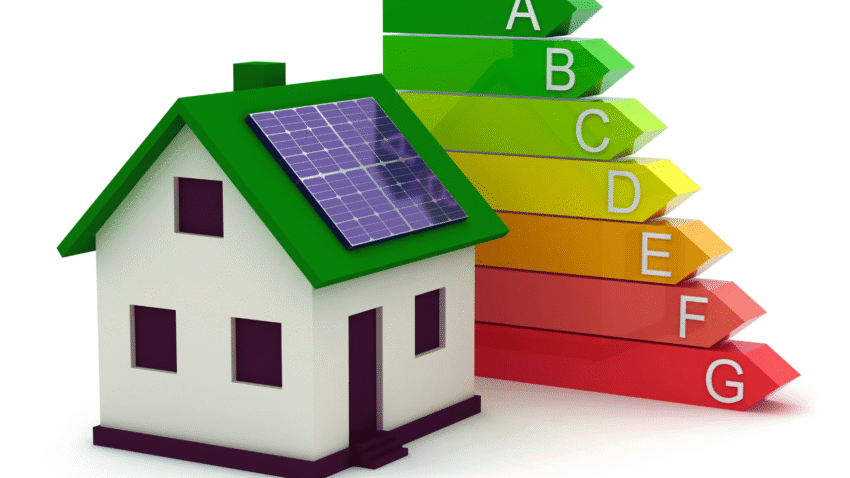
In today’s environmentally conscious world, choosing energy-efficient appliances can significantly impact both utility bills and the planet. The best energy-efficient appliances for a greener home not only save money but also reduce carbon footprints, making it easier to live sustainably. With a wide variety of options available, homeowners can upgrade their kitchens, laundry rooms, and other spaces while enhancing their overall lifestyle.
From refrigerators and dishwashers to washing machines and dryers, energy-efficient models offer advanced technology that optimises performance and minimises waste. These appliances often come with better energy ratings, ensuring that they consume less electricity without compromising functionality. A thoughtful selection can lead to substantial long-term savings and contribute to a healthier environment.
Making the switch to energy-efficient appliances is a practical step towards a more sustainable future. Consumers are not just investing in appliances; they are investing in a lifestyle that prioritises efficiency and care for the planet. Exploring the best options available will empower individuals to make choices that align with their values and goals for a greener home.
Why Energy-Efficient Appliances Matter
Energy-efficient appliances play a crucial role in reducing energy consumption, lowering energy bills, and supporting a greener home. Understanding their impact helps in making informed choices that benefit both the environment and personal finances. Of course, even energy efficient appliances can break down at times, so it is essential that you look to companies that provide appliance replacement parts so you do not have to get a whole new item.
The Impact of Energy Consumption on the Environment
Energy consumption significantly contributes to environmental issues, including climate change. Traditional appliances often rely on fossil fuels, leading to increased greenhouse gas emissions.
The more electricity consumed, the higher the demand on power plants, which can result in habitat destruction and air pollution. Energy-efficient appliances, by contrast, use advanced technologies that minimise energy use.
For example, they can consume up to 50% less energy than their less efficient counterparts. This reduction plays a vital role in conservation efforts and helps protect natural resources for future generations.
Reducing Energy Bills with Efficient Appliances
Investing in energy-efficient appliances can lead to substantial savings on energy bills. These appliances are designed to perform well while using less energy.
Appliances that run on propane, such as stoves, water heaters, and space heaters are especially efficient, providing consistent performance even during power outages or peak electricity periods.
Using propane-powered appliances not only helps reduce reliance on the grid but also ensures a steady and dependable energy source. For added convenience, companies like PilgrimPropane.com and similar others can deliver propane directly to the doorstep, making it easy to keep these efficient appliances running smoothly and ensuring the home stays warm, functional, and energy-conscious throughout the year.
How Energy Efficiency Supports a Greener Home
Creating a greener home is not solely about reducing emissions; it encompasses overall sustainability. Energy-efficient appliances support this initiative by lowering the energy footprint within residential environments.
These appliances use innovative technologies that optimise performance while minimising energy waste. For instance, LED light bulbs consume significantly less electricity than traditional incandescent bulbs, providing the same brightness.
Incorporating various energy-efficient products can yield a measurable impact. For example, families may collectively save thousands of kilowatt-hours annually. By choosing energy-efficient appliances, individuals contribute positively to environmental sustainability and help foster a healthier planet.
Essential Energy-Efficient Kitchen Appliances
Energy-efficient kitchen appliances play a crucial role in reducing electricity bills and minimising environmental impact. Choosing the right appliances can lead to significant savings while supporting a more sustainable lifestyle.
Modern Fridges and Freezers
Modern fridges and freezers are designed with advanced technologies that improve energy efficiency. Look for appliances with an A+++ energy rating, as these consume up to 60% less energy than older models.
Features such as frost-free technology and variable speed compressors contribute to lower energy usage. Additionally, smart fridges equipped with sensors can optimise cooling based on the contents, thus reducing overall energy consumption.
It’s beneficial to choose the right size; larger models use more energy, so select one that fits household needs. Regular maintenance, such as cleaning coils and ensuring door seals are intact, also helps maintain efficiency.
Energy-Saving Dishwashers
Energy-saving dishwashers use less water and electricity compared to hand washing or older units. Opt for models with an A++ or A+++ energy rating for the best efficiency.
Many new dishwashers feature eco modes that adjust the water temperature and cycle duration for improved energy use. Using these settings can yield significant savings without sacrificing cleanliness.
Additionally, incorporating a dishwasher can eliminate the need for pre-rinsing, further conserving water. To maximise efficiency, run the dishwasher with a full load and during off-peak hours if possible.
Efficient Oven and Hob Choices
When choosing an oven, consider energy-efficient models like convection ovens, which distribute heat evenly and cook food faster. This can significantly reduce cooking time and energy consumption. Look for A-rated ovens that provide the best performance with the least energy output.
Induction hobs are another efficient choice, using electromagnetic energy to instantly heat pans. They use approximately 90% of the energy produced, making them more efficient than traditional electric or gas hobs.
To enhance efficiency, keep oven doors closed during cooking and use lids on pots to retain heat. These small practices can further improve energy savings.
Reducing Food Waste with Smart Appliances
Smart appliances play a pivotal role in reducing food waste, which is a significant contributor to greenhouse gas emissions. Devices equipped with inventory tracking can alert users about nearing expiry dates and suggest recipes based on available ingredients.
Smart fridges can adjust temperatures for specific items, keeping food fresher for longer. They help in planning meals to avoid overbuying groceries, ultimately leading to less waste.
Incorporating these technologies can aid in household budgets while promoting a more sustainable lifestyle. Investing in smart features leads to responsible consumption and reduced environmental impact.
Top Energy-Efficient Laundry and Cleaning Appliances
Choosing energy-efficient laundry appliances can lead to significant savings on utility bills and a reduced environmental footprint. Innovative technologies in washing machines and tumble dryers now focus on energy saving without compromising performance.
Latest Washing Machines for Maximum Savings
Modern washing machines are designed to minimise energy consumption while maintaining superior cleaning capabilities. Many models now carry the Energy Star rating, indicating they use at least 20% less energy than standard models.
Features such as high-efficiency (HE) technology, which uses less water and energy, are commonplace. For example, machines that spin faster extract more water, reducing drying time and energy used in dryers. Additionally, those who need flexibility without full commitment, or are looking for a trial before purchasing can consider Washer rental services. They can offer new and gently used appliances to allow users to benefit from modern washing technology without direct investment.
Some popular models include:
- Samsung EcoBubble: Uses bubbles for effective stain removal at lower temperatures.
- LG Front Load: Offers smart inverter technology for energy-efficient wash cycles.
Investing in a washing machine with multiple settings allows for tailored cycles based on load size and fabric type, contributing to energy savings.
Choosing a Low-Energy Tumble Dryer
Selecting a tumble dryer that prioritises energy efficiency is crucial for reducing electricity usage. Condenser and heat pump dryers are known for their low-energy operation.
Heat pump dryers recycle hot air to dry clothes, significantly lowering energy consumption compared to standard vented models. They often have high efficiency ratings, such as A++ or A+++.
One key consideration is load capacity. Larger capacity models can handle bigger loads, leading to fewer drying cycles. Popular options include:
- Bosch Series 8: Features heat pump technology and sensor control for optimal drying.
- Miele TWI180 WP: Offers a range of energy-efficient settings and a user-friendly interface.
A dryer with a delay start feature allows users to run cycles during off-peak hours, further enhancing energy savings.
Other Energy-Saving Home Technologies
In addition to energy-efficient appliances, various home technologies contribute to better energy management. These solutions enhance comfort and convenience while reducing energy consumption significantly.
Efficient Heating Solutions
Modern heating systems like heat pumps offer energy-efficient options for maintaining a comfortable home temperature. They transfer heat rather than generate it, using up to 50% less energy than traditional boilers.
Smart thermostats further optimise energy use by learning household schedules and adjusting temperatures accordingly. Some models allow remote control via smartphone apps, ensuring energy isn’t wasted when the house is empty.
Upgrading to insulated windows or doors can also enhance heating efficiency. Double-glazing reduces heat loss, complementing advanced heating solutions for a more energy-efficient home.
While electric and natural gas options are common, many homeowners also find significant advantages in utilising propane as a primary energy source for heating and other appliances. Propane offers a highly efficient and clean-burning alternative, providing consistent warmth and power, even in areas where natural gas lines are unavailable. For those seeking reliable energy solutions tailored to their specific needs, a dedicated service provider can make a substantial difference. Companies like Sea Breeze Propane prioritize customer satisfaction, offering personalized service, transparent pricing, and expert installation to ensure a seamless and efficient energy supply for residential and commercial properties. Integrating such a versatile energy source can further enhance a home’s overall energy independence and efficiency.
Smarter Electronics: TVs and Laptops
Energy-efficient TVs and laptops play a crucial role in reducing household consumption. Look for devices with Energy Star ratings, which indicate compliance with energy efficiency standards.
Many modern televisions feature LED backlighting, using less power than traditional LCDs. Built-in power-saving modes help further decrease energy usage during inactive periods.
Laptops, especially those utilising solid-state drives (SSDs), consume less power than desktop models. When choosing electronics, consumers should consider models with optimal energy consumption to minimise their environmental footprint.
Microwaves: Fast and Efficient Cooking
Microwaves are a key component of energy-efficient cooking. They use electromagnetic waves to heat food quickly, often using up to 80% less energy than conventional ovens.
When selecting a microwave, consumers should consider wattage. Higher wattage models cook food faster, thus reducing overall cooking time and energy use.
Using a microwave for tasks like reheating and defrosting not only saves energy but also preserves nutrients in food. For more efficient cooking, opting for convection microwaves can improve energy use by allowing fan circulation around food.
Replacing Old Tech for Better Efficiency
Old technology can significantly hinder energy efficiency. Devices manufactured before 2010 are often less efficient compared to newer models. Upgrading them can lead to tangible energy savings.
Replacing old appliances and electronics with energy-efficient counterparts can result in substantial reductions in energy consumption.
Additionally, checking for smart power strips can help reduce energy use by eliminating phantom loads. These devices cut power to electronics when they are not in use, preventing wasted energy from chargers and devices left on standby.
Implementing such replacements ensures a greener home that supports energy conservation initiatives effectively.