

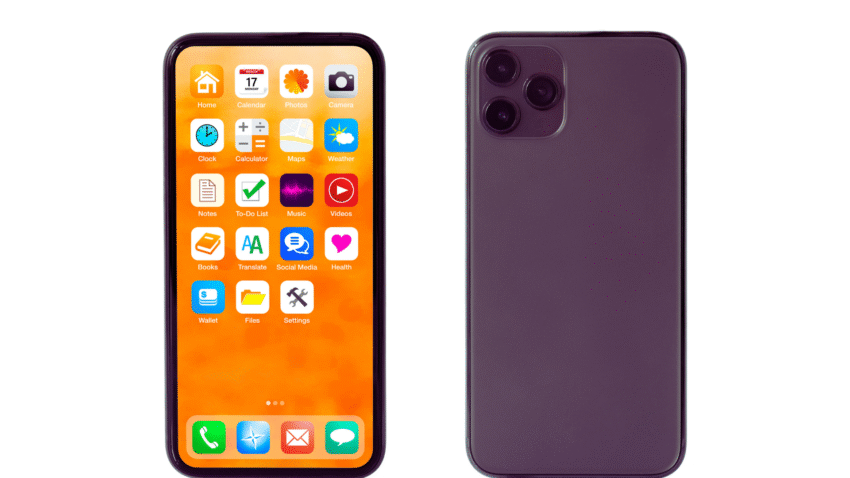
When choosing between flagship and mid-range smartphones, many factors come into play, including performance, features, and price. Flagship phones typically offer superior technology, top-tier cameras, and enhanced durability, making them ideal for users seeking the latest advancements. Mid-range smartphones, on the other hand, deliver a solid balance of performance and affordability, catering to those who want good quality without breaking the bank.
As the smartphone market evolves, the distinction between these categories becomes increasingly significant. Flagship models are often equipped with the latest processors and cutting-edge features, while mid-range options focus on providing essential functionalities at a lower cost. This dynamic landscape means that buyers need to consider their needs carefully.
Ultimately, the decision hinges on individual priorities. For tech enthusiasts who want the newest features, flagship phones are the clear choice. However, for the practical user who requires reliability without excessive spending, mid-range smartphones represent an attractive alternative.
Core Differences Between Flagship and Mid-Range Smartphones
The distinction between flagship and mid-range smartphones lies mainly in performance, design, and display quality. Flagship models typically offer superior specifications and premium features, while mid-range options provide essential functionalities at a more affordable price.
Performance and Processing Power
Flagship smartphones generally utilise the latest processors, such as the Snapdragon 8 Elite or top-tier MediaTek chips. These processors ensure top-notch performance across demanding applications and multitasking.
Mid-range devices often feature the Snapdragon 7s Gen 3 or other capable processors, which still provide satisfactory performance but may struggle with high-end gaming and intensive tasks. Benchmark scores often reveal that flagship devices surpass their mid-range counterparts.
Users seeking peak performance, especially for gaming and heavy multitasking, will find flagship models more suitable. Meanwhile, mid-range smartphones cater well to everyday tasks like social media and web browsing.
Design and Build Quality
The design of flagship smartphones often includes premium materials such as glass and metal, leading to a more sophisticated look and feel. Brands prioritise aesthetics and build quality, contributing to an overall luxurious experience.
Mid-range phones can feature plastic or mixed materials, which lower production costs but may affect durability and aesthetics. While some mid-range smartphones adopt appealing designs, they typically fall short of the refined craftsmanship seen in flagship options.
Flagship devices often include advanced features, like water resistance and better finishes. Consumers who value design and premium feel will likely prefer flagship smartphones for their superior build quality.
Display Technologies
Flagship smartphones commonly boast OLED displays with high resolutions and refresh rates, such as 120Hz, for smoother animations and more vibrant colours. The visual experience is often a key selling point, aiming to meet the expectations of visually demanding users.
In contrast, mid-range devices may utilise LCD technology or lower-grade OLEDs, offering decent performance, but with limitations in brightness and contrast. Refresh rates may also be capped at 60Hz, which can impact the smoothness of scrolling and animations.
For users who prioritise display quality for gaming or media consumption, flagship models are generally the better option. Mid-range phones, while adequate for casual use, may not meet the same standards for high-definition visual experiences.
Key Features and User Experience
When comparing flagship and mid-range smartphones, critical aspects such as camera capabilities, battery life, and software support significantly shape the user experience. Understanding these features enables consumers to make informed decisions better suited to their needs.
Camera Capabilities
Flagship smartphones typically boast powerful camera systems. They often feature multi-lens setups, including wide, ultra-wide, and telephoto lenses, enhancing versatility and image quality. Many incorporate advanced AI features that improve image processing, resulting in clearer photos and better low-light performance.
In contrast, mid-range devices usually offer simpler camera configurations. They may include a main camera and a secondary lens for depth effects, but image quality can vary. While they provide satisfactory performance for casual photography, they may lack the sophisticated enhancements found in flagship models.
Battery Life and Charging
Battery life is crucial for a positive user experience. Flagship devices frequently come equipped with larger batteries, often exceeding 4,000 mAh. This allows for extended usage and often supports various charging technologies, including fast and wireless charging.
Mid-range smartphones generally have decent battery capacity but may not last as long under heavy usage. Charging speeds are often slower, and support for wireless charging can be absent. Despite these limitations, many users find mid-range options adequate for daily tasks without significant interruptions.
Software Support and Updates
Software support varies greatly between flagship and mid-range smartphones. Flagship models typically enjoy extended support with regular updates for several years. This includes security patches and new features, enhancing longevity for the device.
In contrast, mid-range smartphones may receive fewer updates or face delays. They often come with pre-installed bloatware, which can detract from performance. Users may need to be mindful of the potential impact on their personal data and overall device functionality when choosing a mid-range option.
Comparing Top Models in 2025
In 2025, the smartphone market showcases a diverse range of flagship and mid-range devices, each catering to different user needs. The latest innovations in design, performance, and functionality have put several models at the forefront.
Leading Flagship Phones
The flagship segment features cutting-edge models that push boundaries in technology. Notable entries include the Samsung Galaxy S25 Ultra, renowned for its impressive camera system and vivid display. With advanced processing power, it guarantees seamless multitasking.
Apple’s iPhone 17 stands out with its refined design and iOS ecosystem, adding seamless compatibility with devices such as AirPods and Bluetooth headphones. Furthermore, Google’s Pixel 9 Pro offers top-tier photography capabilities, making it particularly appealing for photography enthusiasts.
These devices showcase premium materials, fast charging, and extensive software support, ensuring longevity and reliability for users.
Popular Mid-Range Smartphones
Mid-range smartphones have gained traction due to their balance between cost and features. The Samsung Galaxy A56 offers a solid performance with a vibrant display and a dependable camera, suitable for everyday tasks.
Google’s Pixel 8a provides a great blend of performance and affordability, excelling in software functionality and ease of use. The OnePlus 13 delivers impressive specs at a competitive price point, attracting those seeking value without significant compromises.
Devices like the Nothing Phone 3 and OnePlus 13R offer unique designs and innovative features, catering to a younger audience. The emergence of these phones in the mid-range segment highlights how varied options are available to budget-conscious consumers.
Operating Systems and Ecosystems
Operating systems play a crucial role in the choice between flagship and mid-range smartphones. Apple’s iOS consistently delivers a streamlined user experience with robust security features and seamless integration with its ecosystem. Features like iCloud and Continuity enhance the overall experience across devices.
In contrast, Android offers versatility and customisation. Users benefit from a wide range of devices, such as the Samsung Galaxy series and Google Pixel, which provide diverse functionalities tailored to different preferences. The choice of operating system ultimately influences the user experience, with each platform supporting unique app ecosystems and features.
Value, Longevity, and Purchasing Considerations
When considering a smartphone, understanding how value, longevity, and purchasing considerations can vary between flagship and mid-range devices is essential. Each category addresses different user needs and budgets, impacting the overall user experience.
Price-to-Performance Ratio
Flagship smartphones typically offer premium features, including advanced processors, superior cameras, and enhanced displays. Their price often reflects this quality. Mid-range smartphones, while more affordable, provide a competitive price-to-performance ratio. Users prioritising budget-friendly options can find devices with adequate performance for everyday tasks.
A general comparison table could look like this:
| Feature | Flagship Smartphones | Mid-Range Smartphones |
| Price | £700 – £1,200 | £300 – £600 |
| Processor | Top-tier (e.g., Snapdragon 8 series) | Mid-tier (e.g., Snapdragon 7 series) |
| Camera Quality | High-quality, multiple lenses | Good quality, limited lenses |
| Display | OLED, high refresh rates | LCD or AMOLED, average refresh rates |
The cost difference means that mid-range options attract users seeking essential capabilities without the premium price tag.
Longevity and Software Updates
Purchasing a smartphone involves considering its longevity, especially in terms of software updates. Flagship devices generally receive longer support for operating system updates. They might receive new Android versions for up to three to four years, ensuring continued access to features and security enhancements.
Mid-range smartphones often receive fewer updates, typically around two years of support. Users concerned about data security and new features may find this a vital factor in their decision-making.
It is prudent for consumers to check manufacturers’ policies on software support when selecting a device. This ensures that the chosen smartphone can adapt to evolving technology and security requirements.
Choosing the Right Smartphone for You
Selecting between a flagship and a mid-range smartphone hinges on individual needs and budget. Those requiring cutting-edge features for tasks like gaming, photography, or intensive applications may lean towards flagship models.
Conversely, users focused on basic functions such as messaging, social media, and browsing may find mid-range smartphones sufficient. Additionally, personal data management should be a crucial aspect, as mid-range phones may lack some flagship security features.
Consider personal lifestyle and how technology integrates into it, ensuring the chosen smartphone aligns with specific requirements without overspending.