

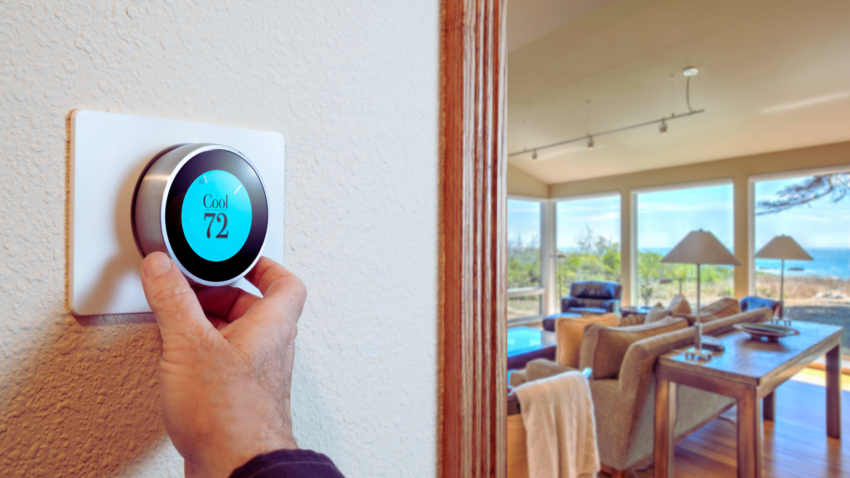
Smart thermostats are transforming the way people manage their heating and cooling systems, offering enhanced control and efficiency. They adjust temperature settings automatically based on user preferences and schedules, significantly reducing energy bills. With features like remote access, energy usage reports, and integration with smart home systems, these devices provide remarkable convenience and savings.
Choosing the right smart thermostat can be overwhelming given the variety available on the market. From user-friendly interfaces to advanced learning capabilities, these devices cater to different needs and budgets. Consumers are increasingly prioritising energy efficiency, making smart thermostats a vital consideration for any modern household.
Investing in a smart thermostat does more than just help reduce energy consumption; it also contributes to a sustainable lifestyle. By selecting the right model, individuals can enjoy comfortable living spaces while simultaneously being mindful of their utility expenses and environmental impact.
Understanding Smart Thermostats
Smart thermostats offer enhanced control over home heating and cooling systems, utilising advanced features for energy efficiency and comfort. Their functionality is designed to optimise temperature settings and monitor energy consumption.
While these devices are helpful, they rely on a boiler that is in good working order. Experts like homeheatingexperts.co.uk can check the whole system and do any needed repairs. They find small problems before they turn into big repairs. This helps keep the house warm and lowers energy costs.
Key Features and Functions
Smart thermostats come equipped with several key features. Voice control allows users to adjust settings hands-free via platforms like Amazon Alexa or Google Assistant. Scheduling options enable homeowners to set specific times for heating or cooling, conserving energy when it’s not needed.
Temperature sensors play a crucial role, in detecting and adjusting to changes in indoor temperatures. Motion sensors can determine occupancy, allowing the thermostat to enter energy-saving modes when the house is empty. Remote sensors expand the thermostat’s capabilities, ensuring even temperature distribution throughout the home.
The ability to automate temperature settings and monitor indoor conditions can be particularly useful during the colder months, when heating systems are working harder to keep homes comfortable. By maintaining more consistent temperatures and reducing unnecessary heating cycles, smart thermostats can help homeowners make the most of the energy they use.
For households that use propane for heating, energy efficiency is only one part of the equation. Having a dependable propane supplier, such as Wendts Propane, can also help ensure a consistent fuel supply throughout the colder months, supporting uninterrupted comfort when demand is at its highest.
The Evolution of Smart Thermostats
The first generation of smart thermostats primarily focused on basic programming and remote access. Over time, they have evolved to include features such as usage reporting and advanced learning algorithms. These improvements enable models to adapt to user habits, offering personalised comfort.
The introduction of humidity sensors has enhanced indoor air quality by regulating moisture levels. For those concerned about what’s in the air they breathe, services like Air Quality Testing in Clive, IA can help identify hidden pollutants and support healthier living environments. Zonal control allows users to manage temperatures in different areas of the home, increasing energy savings further. Today’s models are often compatible with smart air conditioners and other appliances, contributing to a fully integrated smart home experience. Keep in mind that you will still need to be on top of maintenance and repairs, so calling in a Pueblo CO AC repair service, or similar, is essential as you keep things functioning as they should.
Selecting the Right Thermostat for Your Home
Choosing the right smart thermostat involves assessing several factors. Compatibility with existing heating and cooling systems is essential. Homeowners should consider features like vacation scheduling for unused periods to optimise energy use.
He or she should also evaluate the need for advanced functionalities like power cycle alerts and air filter replacement reminders. Energy efficiency ratings can provide insights into long-term savings. A well-selected thermostat can lead to enhanced comfort while significantly reducing energy consumption.
Top Models of Smart Thermostats in 2024
Smart thermostats have advanced significantly, offering features that enhance energy efficiency and convenience. This section highlights premier models in various price ranges, catering to diverse consumer needs.
Premium and Mid-Range Picks
The Nest Learning Thermostat remains a top choice with its auto-scheduling capabilities and sleek design. It learns user preferences and adjusts temperatures accordingly, promoting energy savings. Another strong contender is the Ecobee Smart Thermostat Premium, which includes a built-in speaker for Alexa voice control and supports room sensors to monitor multiple spaces. The Honeywell Home T9 Smart Thermostat is also notable, offering geofencing technology and compatibility with various smart home systems. Each of these models provides robust features aimed at modern homeowners seeking both luxury and practicality.
Budget-Friendly Options
The Ecobee 3 Lite is an affordable smart thermostat that does not compromise performance. It allows for remote control via a smartphone app and supports additional room sensors. The Sensi Touch 2 Smart Thermostat is another commendable budget option, featuring a user-friendly touchscreen interface and flexible scheduling options. Additionally, the Nest Thermostat E offers essential smart features at a lower price point, making it accessible for homeowners looking to upgrade without breaking the bank. Each of these models is designed to provide convenience and energy efficiency without significant financial investment.
Smart Thermostats for Specialist HVAC Systems
Specialist HVAC systems can benefit from specific smart thermostats like the Ecobee Smart Thermostat with its multi-zone capabilities. This model works seamlessly with complex setups, enabling optimal climate control throughout different spaces. The Honeywell Home T9 also caters to varied HVAC configurations, allowing precise temperature adjustments based on occupancy. These thermostats incorporate features like Alexa Hunches, enabling intuitive adjustments based on user habits. For those with specialised requirements, these models present effective solutions that maintain comfort across diverse environments.
Smart Home Ecosystem Integration
Smart thermostats enhance home automation significantly by integrating seamlessly with various smart home ecosystems. This capability allows users to control their heating and cooling systems through voice commands, mobile apps, and connections with other smart devices.
Compatibility with Virtual Assistants
Smart thermostats commonly support virtual assistants such as Amazon Alexa, Google Assistant, and Apple’s Siri. This compatibility enables users to manage their thermostats through voice control, providing convenience and ease of use.
For instance, asking an Amazon Echo to “Set the living room thermostat to 22 degrees” allows hands-free adjustments. Additionally, thermostats that work with Apple HomeKit can be controlled via iPhone, iPad, or Apple Watch.
Connecting to these ecosystems enhances user experience by allowing custom routines. For example, turning down the thermostat when leaving home is achievable through voice commands or mobile app settings.
Integrating with Other Smart Home Devices
Integration with other smart home devices is crucial for a cohesive ecosystem. Smart thermostats often work with smart speakers, security systems, and lighting controls, creating a fully automated environment.
Using Samsung SmartThings, a user can set a scene where lights dim and the thermostat adjusts when a movie starts. Mobile apps play a significant role in this integration, allowing users to configure settings easily.
Bluetooth Low Energy technology also facilitates quick connections between devices. This ensures real-time communication between the thermostat, smart speakers, and other devices. The result is enhanced energy efficiency and a tailored smart home experience.
Installation and Maintenance
Correct installation and maintenance are crucial for the efficient operation of smart thermostats. Understanding the differences between DIY options and professional installation can influence user experience and long-term functionality. Regular maintenance ensures these devices continue to perform optimally.
DIY Versus Professional Installation
Installing a smart thermostat can often be a DIY project, particularly for those familiar with basic electrical work. Many devices are designed with user-friendly interfaces and detailed instructions. Key considerations include:
- C-Wire Requirement: Most smart thermostats need a C-wire to supply constant power. If a C-wire isn’t available, users might need to install a C-wire adapter or utilise a power extender kit.
- Multi-Stage Systems: Those with multi-stage heating and cooling systems should carefully follow guidelines to ensure compatibility.
For others, professional installation may be more suitable, particularly for complex HVAC systems. Professionals can ensure precise calibration and integration with existing home automation systems, potentially saving on energy costs in the long run.
Maintaining Your Smart Thermostat
To keep a smart thermostat functioning efficiently, regular maintenance is vital. This may include:
- Firmware Updates: Keeping the software updated improves performance and security, often delivered automatically via Wi-Fi radios.
- Sensor Calibration: Periodically recalibrating sensors ensure accurate temperature readings, enhancing comfort and energy savings.
Using integrated features like geofencing technology or learning routines can maximise energy efficiency. Many smart thermostats also support IFTTT, enabling automation and integration with other home security devices or air quality monitors. Educating users on these features further enhances value for money, helping to reduce both cooling costs and energy expenditure.